
U.S. Tariff Rules: Cross-Border Cost Guide
Understand updated U.S. customs duty rules, tariff schedules, and cost impacts for cross-border e-commerce and freight.
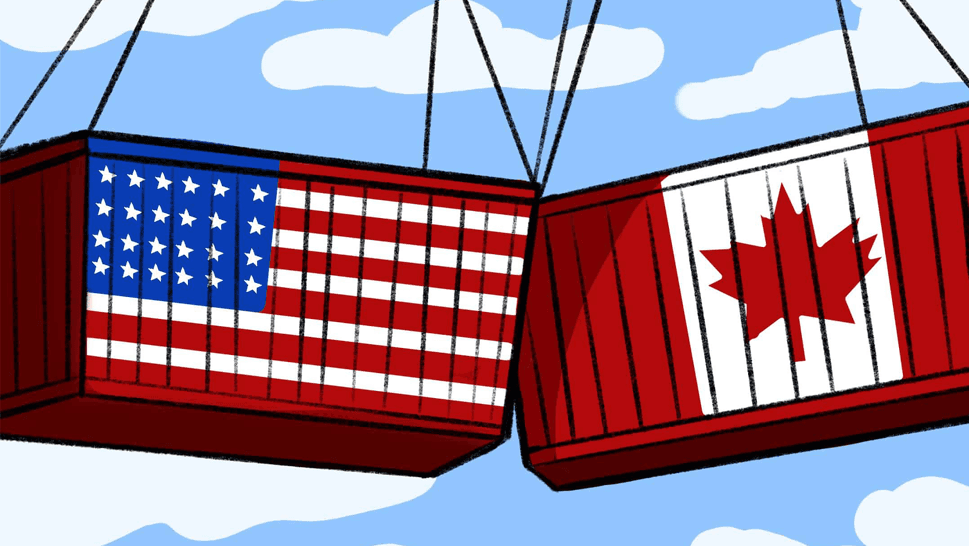
With the recent changes to U.S. customs duty policies, the cost and process of shipping luggage, luxury goods, or e-commerce parcels across the border are changing. Understanding these rules helps you avoid unexpected fees and delays. UUCargo summarizes the key updates and offers practical shipping tips.
Last reviewed September 17, 2026 against CBP’s de minimis fact sheet and the June 24, 2026 Federal Register rules. Duty rules change often — confirm current requirements with CBP or your customs broker before you ship.
1.U.S. Ends the “De Minimis” Duty-Free Threshold
The United States suspended the duty-free exemption for imports valued at USD 800 or less (the “de minimis” exemption) on August 29, 2025, and in June 2026 U.S. Customs and Border Protection wrote that suspension into regulation, making it indefinite. What this means in practice: a shipment to the U.S. is no longer duty-free just because it is worth less than USD 800. It needs a customs entry, and duties, taxes, and fees apply. White House announcement: Suspending Duty-Free De Minimis Treatment – WhiteHouse.gov
2. New Charges for Postal Shipments
Parcels sent through the international postal network are dutiable as well. Between August 29, 2025 and February 28, 2026, carriers could choose between an ad valorem duty and a flat per-item duty of USD $80, $160, or $200 based on the origin country’s tariff rate. That flat-fee option has ended. Postal items are now assessed on the value of the goods, and each dutiable item needs its tariff classification, country of origin, and value reported to CBP. Budget postal shipments using the rate that applies to your goods rather than a flat per-item fee, and ask your carrier who files the entry and pays the duty.
3. Which Duty Rate Applies Now
The duty on a shipment is the rate for the goods themselves plus whatever additional tariffs apply to the country of origin. The first part comes from the HTSUS (Harmonized Tariff Schedule of the United States): look up the 10-digit code for your product, because rates differ sharply by category — some goods enter free, while apparel, footwear, and textiles sit far higher.
The second part is the one that moves. Trade actions are added, replaced, and struck down by the courts — the legal basis for the additional U.S. tariffs changed three times between 2025 and 2026 alone — so any percentage you read in an article, this one included, may be out of date by the time you ship. The durable rule is the structure: product rate + whatever origin-based tariffs are in force on the day of entry. Check the current numbers at the HTS database and CBP, or ask your customs broker to quote the landed cost before you commit to a price.
One thing worth asking about: if you paid tariffs that were later invalidated, those duties may be refundable. A broker can tell you whether your past entries qualify and what the deadlines are.
HTS search: U.S. Harmonized Tariff Schedule
4. Additional Cross-Border Shipping Fees
Beyond duties themselves, carriers or customs brokers may charge:
- Brokerage fees
- Disbursement fees for advancing duties/taxes
- Extra documentation fees (e.g., Manufacturer Identification Code, MID)
FedEx’s update on the new rules: FedEx – U.S. Tariff Impact
5. Who Pays Duties and Taxes?
Whether the shipper or recipient pays duties/taxes depends on how the shipment is set up (shipper pay / recipient pay / third-party pay). If not clearly specified, the recipient is usually billed.
6. How to Estimate Costs in Advance
Since the flat per-item duty ended, a postal or courier shipment is costed like this: declared value × the effective tariff rate for the country of origin, plus the carrier or broker’s clearance and disbursement fees, plus the freight itself. Two things decide most of the bill — where the goods were made (not where they ship from) and how accurately they are declared.
Use online tools from carriers or UUCargo to estimate landed costs (shipping + duties + clearance fees):
- FedEx Global Trade Manager
- UPS Import Control
- DHL Duty & Tax Calculator
On the UUCargo website, simply enter the package weight and dimensions to compare real-time rates from major couriers, save up to 81% against standard retail rates, and access one-stop customs, insurance, and packaging guidance:🔗 UUCargo – International Shipping Rate Check
7. Accurate Declarations and Documents
To avoid delays or penalties:
- Provide a complete commercial invoice
- Include correct HS code and country of origin
Declare the true value - Keep photos and a packing list for reference
8. UUCargo Packing Tips
-
Insure valuable items: For luxury goods, watches, and jewelry, choose signature-required and insured services.
-
Professional packaging: Use sturdy boxes, bubble wrap, waterproof bags, and vacuum bags. Original packaging plus cushioning offers the best protection.
-
Easy supply shopping: Canada Post stores, Walmart, Canadian Tire, Home Depot, and Dollarama all sell common packing materials.

Conclusion
With U.S. tariff policies changing, cross-border shipments are no longer automatically “duty-free” for low-value items. Preparing in advance, declaring accurately, and choosing reliable carriers or agents are key to smoother, lower-cost shipping.
UUCargo continuously monitors policy changes to deliver up-to-date cross-border logistics information and discounted rates—helping you ship globally with more confidence and savings.