LTL freight (Less-than-Truckload) shipping is one of the most cost-effective ways to move palletized cargo across Canada and the United States. However, freight carriers operate large logistics networks with strict safety and regulatory requirements.
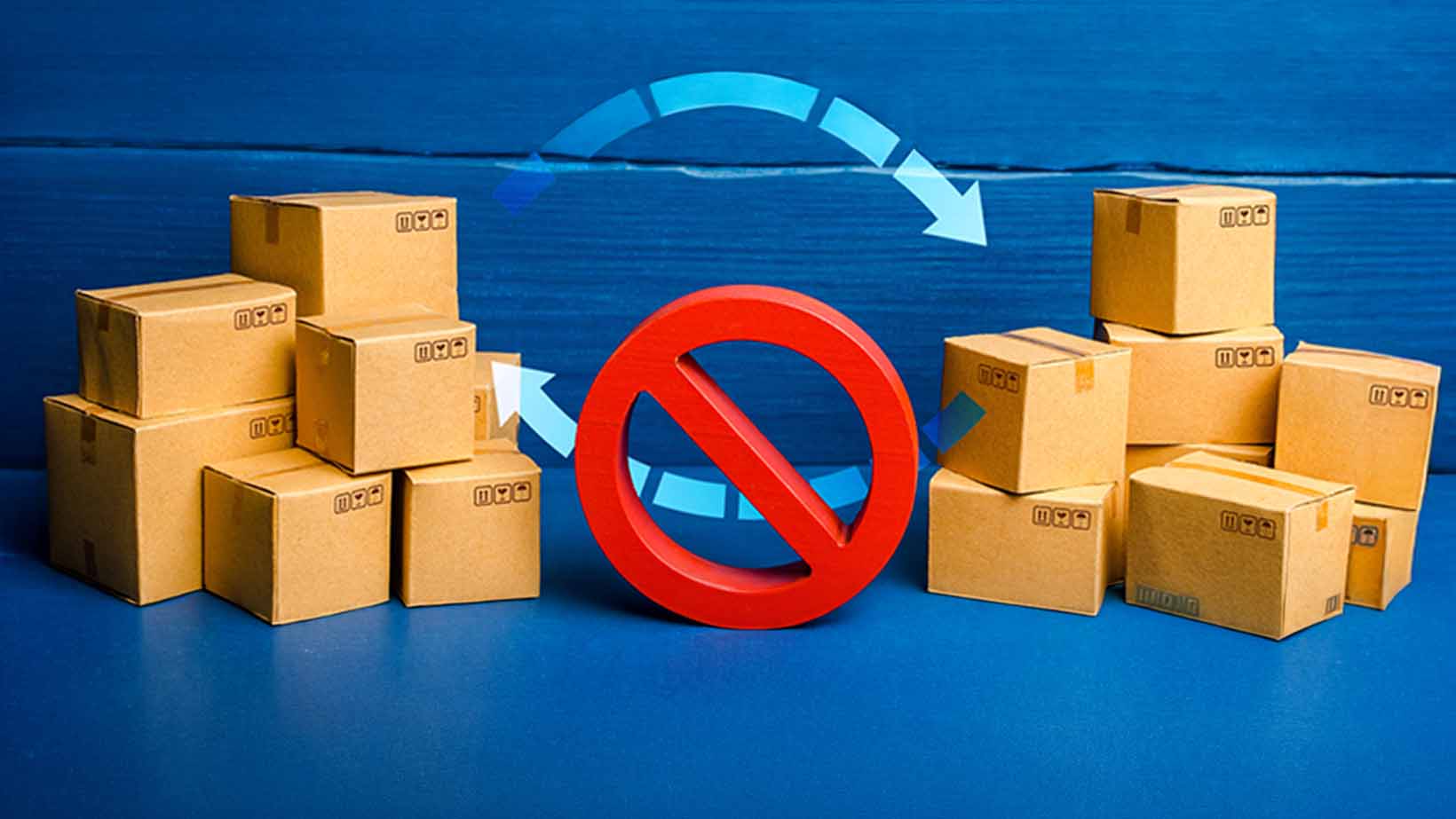
Because of this, certain goods cannot be transported through standard LTL freight services.
If prohibited items are discovered during transit, carriers may refuse the shipment, return it to the shipper, or deny liability for any loss or damage.
Understanding these restrictions can help you avoid delays, extra charges, and shipping disruptions.
Common Items Prohibited in LTL Freight Shipping
Below are the most common categories of goods that carriers typically refuse to transport.
1. Dangerous or Hazardous Materials
Some hazardous materials may require special approval, documentation, and packaging. However, certain dangerous goods are typically restricted or require compliance with transportation regulations.
Examples include:
▪️Explosives
▪️Flammable liquids
▪️Corrosive substances
▪️Oxidizers
▪️Hazardous chemicals
These materials must comply with dangerous goods regulations and proper labeling requirements. Carriers may refuse shipments that are not correctly classified, packaged, or documented.
2. Cash and Financial Instruments
Items that represent direct monetary value are generally prohibited due to theft risk.
Examples include:
▪️Cash
▪️Bank drafts
▪️Bonds
▪️Stocks
▪️Negotiable financial instruments
Shipping these items through freight carriers is typically not allowed because they cannot be insured or properly tracked.
3. Weapons and Firearms
Freight networks generally do not accept:
▪️Complete firearms
▪️Ammunition
▪️Explosives
▪️Weapon parts
Transporting these items often requires specialized carriers and strict legal compliance.
4. Precious Metals and High-Value Goods
Items with extremely high value are often excluded from standard freight services.
Examples include:
▪️Bullion or precious metals
▪️Loose gemstones
▪️Jewelry
▪️Precious stones
Because of the high risk of theft or loss, these items require specialized logistics services
5. Live Animals and Biological Materials
Freight networks are designed for packaged cargo, not living items.
Commonly prohibited items include:
▪️Live animals
▪️Insects or larvae
▪️Fish
▪️Plants and flowers
Transporting living organisms requires temperature control, ventilation, and regulatory compliance that standard LTL carriers do not provide.
6. Illegal or Controlled Substances
Any goods prohibited by law cannot be shipped through freight networks.
Examples include:
▪️Illegal drugs
▪️Controlled substances
▪️Cannabis (in certain shipping scenarios)
▪️Pornographic materials
▪️Other unlawful goods
Carriers reserve the right to inspect shipments and refuse transport if illegal goods are suspected
7. Human Remains and Sensitive Items
Certain items are prohibited due to ethical, regulatory, or handling requirements.
Examples include:
▪️Human remains
▪️Ivory
▪️Furs or fur clothing
These items require specialized transport services outside of standard freight networks.
Why These Restrictions Exist
Freight carriers implement these restrictions for several important reasons:
▪️Safety
Hazardous materials can pose risks to drivers, warehouses, and other shipments.
▪️Legal Compliance
Many goods are regulated by international, federal, or provincial laws.
▪️Liability Limits
Carriers limit responsibility for extremely valuable or sensitive goods.
▪️Network Efficiency
Freight networks are designed to move standard palletized cargo, not specialized items.
What Happens If Prohibited Goods Are Shipped?
If a shipment contains prohibited goods:
▪️The carrier may refuse pickup
▪️The shipment may be returned to the shipper
▪️The carrier may inspect or confiscate the goods
▪️The carrier assumes no liability for loss or damage
Carriers also reserve the right to open and inspect any shipment if necessary.
Tips for LTL Shippers
Before shipping freight:
Verify whether the goods are permitted
Properly package and label the shipment
Provide accurate commodity descriptions
Declare the correct shipment value
If you are unsure whether an item can be shipped, it is best to consult the carrier before booking the shipment.
Proper planning helps avoid delays, refused freight, or unexpected costs.
Before shipping your freight, it’s important to confirm whether your goods are allowed.
You can compare freight rates instantly on our platform.
For smaller packages, it may be better to use discounted parcel shipping services instead of freight.
Some items that cannot ship through freight may require specialized transport services.